
Hear from Our Customers
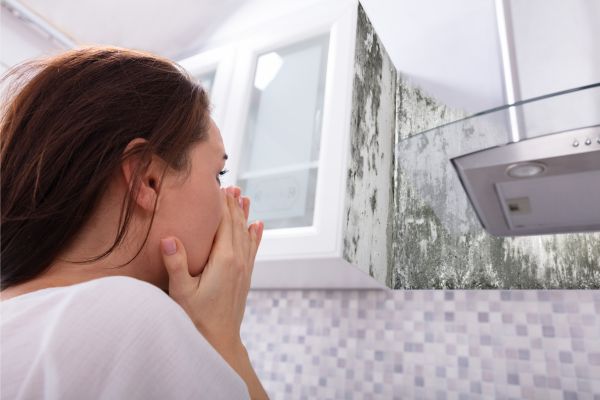
You’ve noticed the musty smell in your basement. Maybe someone in your house has been dealing with headaches or respiratory issues that won’t quit. Or you’re buying a home in North Park and want to know what you’re actually getting into before closing.
Here’s what matters: nearly half of all homes have mold growing somewhere. The question isn’t whether mold exists—it’s whether you have a problem that needs fixing, and if so, how serious it is.
Professional mold testing gives you that answer. We use moisture meters, thermal imaging, air quality sampling, and surface testing to find growth you can’t see. You get lab results that show exactly what type of mold is present and how much of it. Then you can make an informed decision about what to do next—without anyone pressuring you to buy services you might not need.
We serve North Park and the surrounding Bucks County area with one specific focus: accurate mold testing. We don’t do remediation. That’s not a limitation—it’s a feature.
When the company testing your home also sells mold removal, there’s an obvious conflict of interest. We’ve performed thousands of inspections throughout the Delaware Valley, and our only job is to tell you what’s actually there. Our PA state-licensed inspectors use advanced detection equipment, send samples to independent labs, and give you results you can trust.
North Park’s older homes and Pennsylvania’s humid climate create perfect conditions for mold growth, especially in basements and crawl spaces. We know what to look for and where to look for it. You get the facts, then you decide what happens next.
First, we schedule an inspection at a time that works for you. When we arrive, we start with a visual inspection of your property—looking for visible mold, water damage, moisture problems, and conditions that support mold growth.
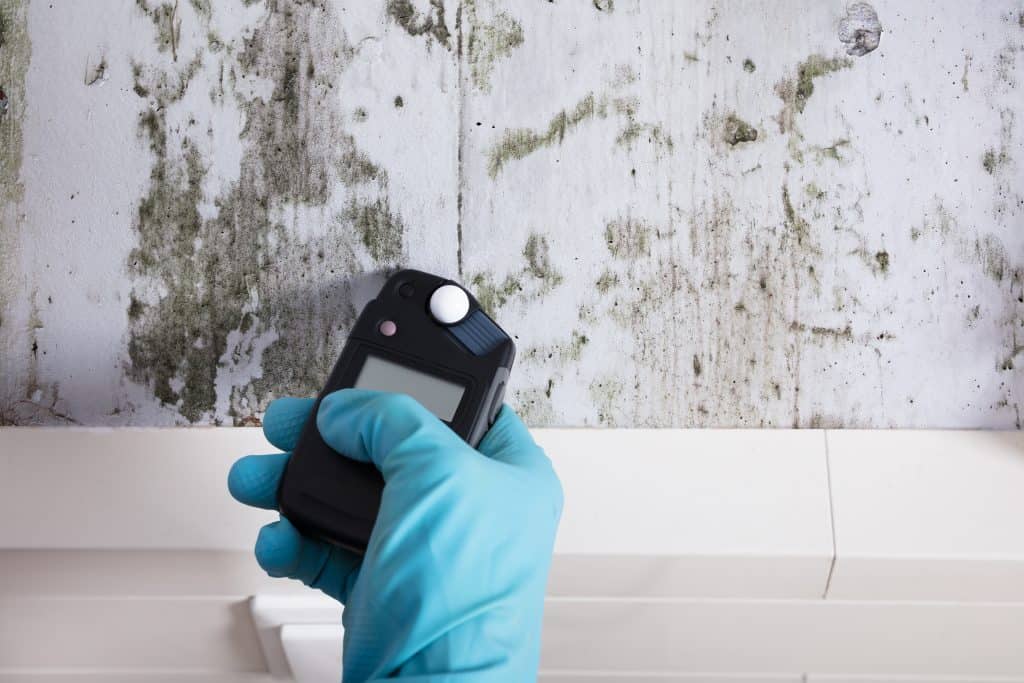
Next, we use thermal imaging and moisture meters to detect hidden moisture behind walls, under floors, and in other areas you can’t easily access. Mold grows where water goes, so finding moisture is key to finding mold.
Then we collect samples. This might include air samples from different rooms to measure spore levels, surface samples from suspected growth areas, or both depending on your situation. All samples go to an independent laboratory for analysis.
You receive a detailed report within a few days showing what types of mold are present, concentration levels, and what those results mean for your home and your family. If there’s a problem, the report gives you documentation you can use to get accurate remediation quotes—or submit to your insurance company if the mold is related to covered water damage.
Ready to get started?
A complete mold inspection includes visual assessment of your entire property, moisture detection using thermal imaging cameras and professional-grade meters, air quality testing to measure spore concentrations in your indoor environment, and surface sampling from areas showing visible growth or suspected contamination.
All samples are analyzed by independent laboratories—not by us. You get written results identifying specific mold types, including toxic varieties like Stachybotrys chartarum (black mold), along with concentration levels that show whether you have a minor issue or a serious problem.
In North Park and throughout Bucks County, we see mold issues most often in basements, crawl spaces, attics, and bathrooms—anywhere moisture accumulates. Pennsylvania’s seasonal humidity changes mean mold can develop behind walls without any visible signs until it’s already a significant problem. Early detection helps you avoid major damage and more extensive repairs down the line.
Testing typically starts around $350 for residential properties in the area. That’s a small investment compared to the cost of unnecessary remediation—or worse, ignoring a problem that’s affecting your family’s health and your property value. Homes with mold issues can see resale values drop 20-37%, and as many as half of potential buyers back out once they learn a property has had mold problems.
You need testing if you can see mold growth, smell a persistent musty odor, have unexplained health symptoms like respiratory issues or headaches, recently had water damage or flooding, are buying a home and want to know what you’re getting, or need documentation for an insurance claim.
Here’s the thing: you’re not overreacting if something feels off. Mold grows in places you can’t see—behind drywall, under flooring, inside HVAC systems. By the time you smell it or see it, there’s usually more than what’s visible.
Testing gives you actual data instead of guesswork. If there’s no problem, you get peace of mind. If there is a problem, you know exactly what you’re dealing with and can address it before it gets worse. Either way, you’re making decisions based on facts instead of fear.
A mold inspection is the visual assessment—walking through your property, looking for visible mold, checking for moisture problems, and identifying conditions that support mold growth. Mold testing involves collecting actual samples (air samples, surface samples, or both) and sending them to a lab for analysis.
Most people need both. The inspection tells us where to look and what conditions exist. The testing tells us what types of mold are present and how much of it. You can’t see mold spores in the air, and you can’t identify specific mold types just by looking at them.
Lab analysis identifies whether you’re dealing with common molds that are mostly a nuisance or toxic varieties like black mold that pose serious health risks. It also measures concentration levels, which determines whether you have a minor issue or a major contamination problem. That information directly affects what kind of remediation you need and how much it will cost.
The on-site inspection and sample collection typically takes one to two hours depending on your property size and the number of areas we’re testing. We’re thorough, but we’re not going to waste your time.
After we collect samples, they go to an independent laboratory for analysis. Lab results usually come back within three to five business days. Rush processing is available if you’re in a time-sensitive situation—like closing on a home purchase or dealing with an insurance claim deadline.
You’ll receive a detailed written report explaining what was found, what it means, and what your options are. We’re available to walk through the results with you and answer questions. The report is yours to use however you need—whether that’s getting remediation quotes, submitting to your insurance company, or just understanding what’s happening in your home.
You can, but those kits have serious limitations. They’ll tell you if mold spores are present—which they are in basically every home—but they won’t tell you what type of mold, how much of it there is, or whether it’s actually a problem that needs fixing.
DIY kits also can’t find hidden mold growth. You’re only testing the areas you can reach, and mold grows where you can’t see it—behind walls, under flooring, in HVAC systems. Without moisture meters and thermal imaging equipment, you’re missing the full picture.
Professional testing uses advanced detection technology and independent laboratory analysis to give you accurate, actionable information. We know where to look based on thousands of inspections throughout the area. We understand how homes in North Park are built and where problems typically develop. And because we only do testing—never remediation—you’re getting unbiased results, not a sales pitch. If you’re making decisions about your family’s health or spending thousands on remediation, you want reliable data, not a maybe from a $10 kit.
It depends on what caused the mold. If mold growth resulted from a covered event—like a sudden pipe burst, roof leak, or appliance malfunction—your homeowners insurance will typically cover testing and remediation. If it’s from long-term neglect, poor maintenance, or gradual issues like humidity, probably not.
Insurance companies want documentation. Professional testing provides the evidence you need to file a claim, showing what type of mold is present, how extensive the contamination is, and linking it to the covered water damage event. Without that documentation, you’re fighting an uphill battle.
We work with insurance companies regularly and understand what they require. Our detailed reports include the information adjusters need to process claims. If your mold problem is related to covered water damage, testing is usually the first step in getting your claim approved. Even if insurance doesn’t cover it, knowing what you’re dealing with before you start remediation saves money by preventing unnecessary work.
Not usually. Most mold situations don’t require you to move out during remediation. If testing reveals extremely high concentrations of toxic mold in living areas, or if someone in your household has serious health reactions, temporary relocation might be recommended—but that’s rare.
What happens next depends entirely on what the testing reveals. Minor mold growth in a small area might just need cleaning and fixing the moisture source. Extensive contamination requires professional remediation with containment procedures to prevent spores from spreading during removal.
The testing report gives you the information you need to make that decision. You’ll know what type of mold you’re dealing with, where it’s located, and how serious the problem is. Then you can get accurate quotes from remediation companies—and because you already have independent test results, you’re not relying on the company that wants your business to tell you how bad the problem is. You’re in control of the process instead of reacting to someone else’s assessment.
Other Services we provide in North Park